Restoration Guide
Fire Damage in a Rental Property: An Arizona Landlord & Tenant Guide
By Water Damage Restoration Sahuarita · 2026-10-26 · Sahuarita, AZ
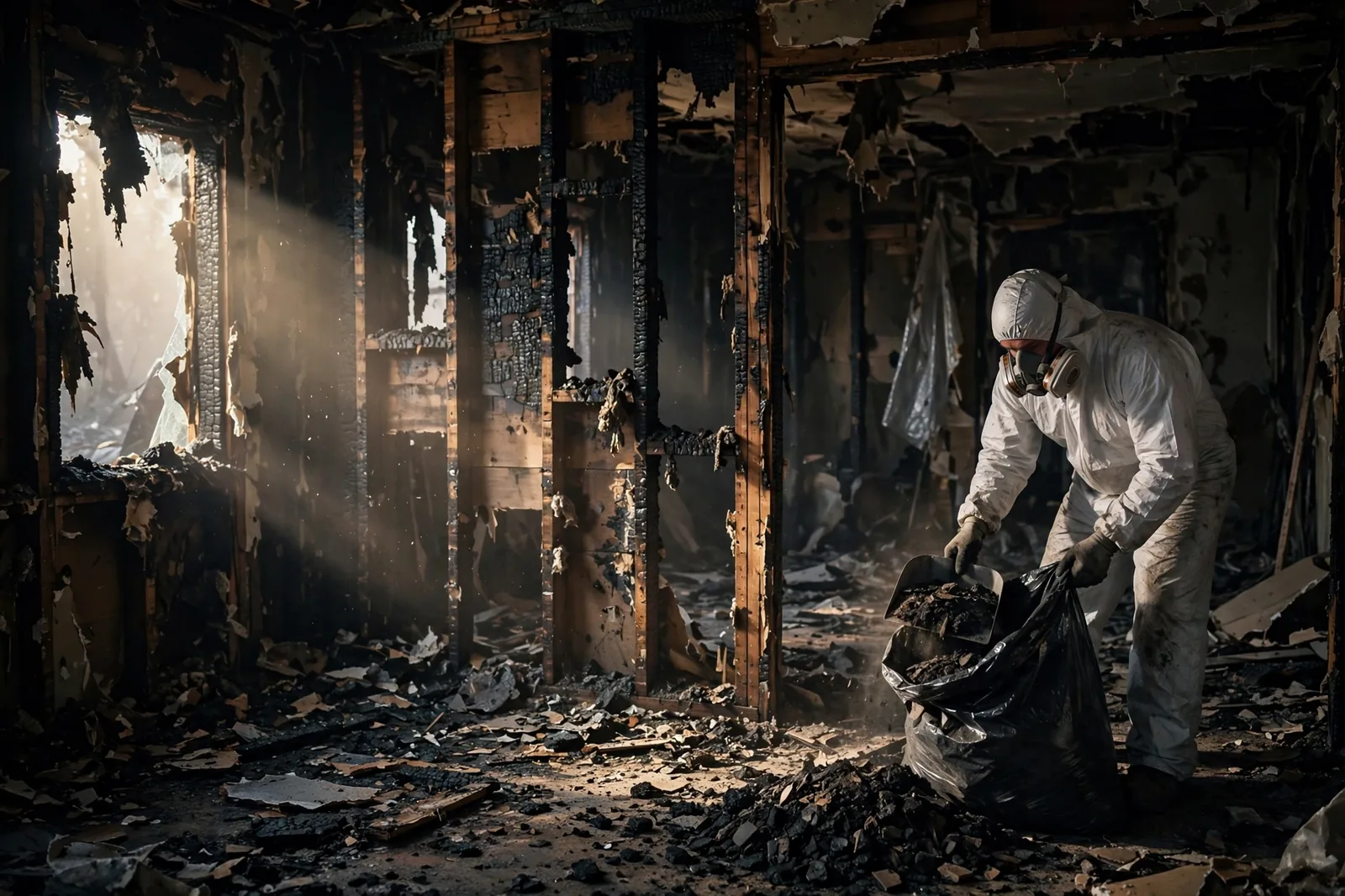
Updated for 2026: a fire in a rental property creates two insurance claims, two sets of belongings, and one urgent question, who does what, and in what order? This guide walks Arizona landlords, tenants, and property managers through the practical side of fire damage in a rental: whose insurance covers what, who arranges the remediation, what each side should document, and how to keep the process from stalling while soot keeps corroding and the mold clock runs.
A note on scope: this is practical guidance from a restoration company that works with landlords and property managers regularly, not legal advice. Leases vary, policies vary, and Arizona landlord-tenant specifics turn on details we cannot see from here. Where the law matters, the answer below says 'check your lease and policy' rather than guessing.
Whose insurance pays for what
A rental fire almost always involves two policies, and they divide along a clean line: the landlord's dwelling or landlord policy covers the structure, walls, roof, flooring, fixtures, built-in appliances, while the tenant's renters policy covers personal belongings and, in many policies, additional living expenses (loss of use) while the unit is uninhabitable. Neither policy covers the other's side, which surprises both parties regularly.
The practical consequence: both sides file their own claim, and both need their own documentation. The landlord (or property manager) photographs and inventories structural damage; the tenant photographs and lists damaged belongings before anything is discarded. Our crews document both streams during fire damage removal, structural photos and moisture readings for the landlord's adjuster, and contents inventories that help the tenant's claim too. One coordinated documentation pass beats two partial ones.
A common gap: tenants without renters insurance. Nothing requires a tenant to carry it (unless the lease does), and uninsured tenants have no coverage for belongings or temporary housing. Landlords reading this before a fire happens: requiring renters insurance in the lease is the cheapest protection for everyone involved.
Who arranges the remediation?
Typically, the landlord or their property manager arranges structural remediation, it is their building, their insurance claim, and their long-term asset. The restoration company then coordinates access with the tenant for contents work: pack-out of belongings, cleaning of salvageable items, and clearance for the tenant to retrieve essentials.
Tenants should resist the urge to hire structural remediation themselves and bill the landlord later. Reimbursement for self-arranged work is frequently disputed, the landlord's carrier wants its own approved scope, and unauthorized work can complicate both claims. The right move for a tenant is prompt written notice to the landlord, documentation of everything, and cooperation with the landlord's chosen crew.
For landlords and property managers, speed matters as much as it does for owner-occupants. Soot is acidic and continues corroding surfaces until professionally removed; smoke odor embeds deeper into porous materials over time; and firefighting water starts the 24–48 hour mold clock, faster in Arizona heat. Authorizing emergency board-up and assessment immediately also satisfies the policy duty to mitigate, which carriers look for in every file.
What landlords should document (and ask us for)
Landlords: your claim lives or dies on documentation, and the best documentation is gathered in the first 48 hours. Ask your restoration company for the full package, not just a quote:
- Structural photos, room by room, every affected surface, plus wide shots establishing the extent. Take more than you think you need.
- Moisture readings, firefighting water hides in wall cavities and subfloors; documented readings prove the drying scope to the adjuster.
- Itemized scope, line-by-line remediation and reconstruction plan, not a lump sum. This is what carriers evaluate.
- Contents inventory, room-by-room list of affected belongings with condition notes; supports the tenant's renters claim.
- Timeline log, dates of discovery, notifications, board-up, and each work phase. Gaps in the timeline invite coverage questions.
- All communications in writing, landlord-tenant notices, carrier correspondence, and contractor authorizations. Verbal agreements evaporate.
What tenants should document
Tenants: your renters claim is about belongings and living expenses, and adjusters cannot pay for what they cannot see. Before anything is thrown away, photograph every damaged item where it sits, then make a written list, item, approximate age, and replacement cost if you know it. Keep receipts for everything the fire forces you to buy: hotel, meals beyond normal groceries, laundromat, replacement essentials.
Do not start deep-cleaning soot yourself before the assessment. Improper wiping drives soot deeper into surfaces and can permanently set stains, and disturbing the scene before documentation can weaken your claim. Ventilate if it is safe, keep the area as found, and let the smoke and soot cleanup crew handle it. If the landlord's crew is handling structure and your carrier needs a contents inventory, ask us, we do both, and one coordinated pass keeps the two claims consistent.
Habitability and temporary relocation: the practical questions
After a significant fire, the unit is often uninhabitable, no power, water damage, heavy soot, structural concerns, and the immediate question is where the tenant sleeps tonight. Arizona law generally requires landlords to maintain habitable premises, but what that means after a fire, timelines, rent abatement, who arranges alternate housing, turns on the lease language and the specific facts. Read the lease's casualty or damage provisions first; many address exactly this scenario.
On the insurance side, this is where the tenant's renters policy earns its keep: most include loss-of-use or additional living expense (ALE) coverage for hotel and extra living costs while the unit is uninhabitable. Landlords may have loss-of-rents coverage on their own policy for the income side. Both coverages need documentation, keep every receipt, and confirm coverage with the carrier early rather than assuming.
Communication discipline matters here more than anywhere. Landlords: notify the tenant in writing about the remediation plan and expected timeline, and update it when it changes. Tenants: put repair and habitability requests in writing, keep copies, and document the unit's condition at every stage. When both sides have a paper trail, disputes shrink; when they do not, small disagreements become expensive.
How we work with landlords and property managers
We regularly coordinate fire jobs involving owners, tenants, and property managers, and the structure that works is simple: one restoration company, one point of contact, one documented scope that both insurance carriers can read. The landlord or manager authorizes the structural work; we coordinate access windows with the tenant for contents pack-out and cleaning; and the itemized documentation package serves both claims.
For property managers with portfolios in Sahuarita, from Quail Creek rentals to single-family homes across town, having a restoration contact before the emergency beats finding one at midnight after it. Our 24/7 line (+1 844-969-2789) takes the first call, secures the property with board-up and tarping the same night, and starts the documentation both carriers will want. If you manage rentals in Southern Arizona, save the number now; the fire will not wait for business hours.
Frequently Asked Questions
Does landlord insurance cover tenant belongings after a fire?
Can a tenant hire fire remediation and bill the landlord?
Who pays for temporary housing after a rental fire?
What if the lease doesn't mention fire damage?
How fast does fire cleanup need to start in a rental?
Fire or smoke damage in Sahuarita?
Talk to a local restoration crew today, 24/7 emergency line.
24/7 emergency line, we answer around the clock.