Restoration Guide
Frozen Pipes & Burst Pipes in Sahuarita, AZ
By Water Damage Restoration Sahuarita · 2026-10-14 · Sahuarita, AZ
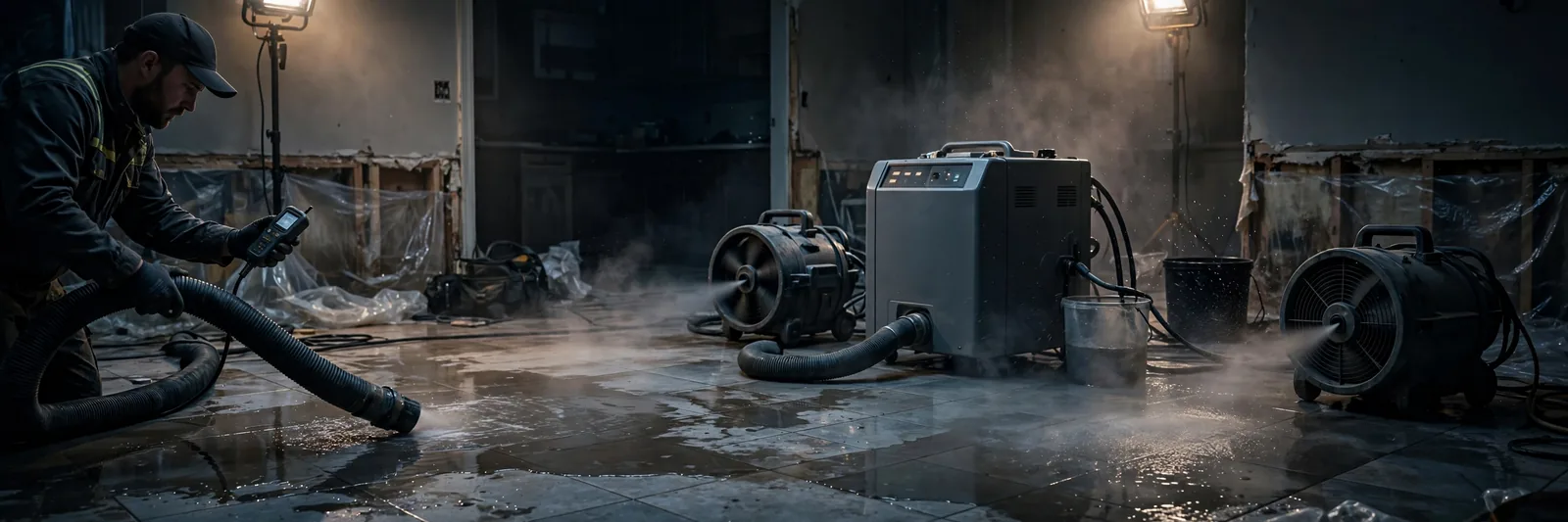
Sahuarita is a desert town, and most of the year the word freeze sounds like a joke. But winter nights here regularly drop near or below freezing, and that is exactly when pipes burst: exposed hose bibs, pipes in unheated garages, lines running through attics, and outdoor kitchens that were never built for a hard freeze.
A burst pipe is not a slow leak. It is a sudden, large water event, often discovered at 6 a.m. when the ceiling is already sagging. This guide covers what to do in the first ten minutes, what not to do, and how restoration actually works.
Yes, pipes freeze in Sahuarita
Desert cold snaps are short, but they are sharp. A few hours below freezing is enough for water inside an exposed pipe to freeze, expand, and split the pipe. The burst usually happens at the weakest point: a fitting, a bend, or a section where insulation is thin or missing.
The cruel part is that the damage often shows up after the thaw. The pipe splits at night, then pours water into the wall or ceiling when it warms up. By the time you see it, the water has been spreading for hours.
- Hose bibs and outdoor faucets left connected to a hose
- Pipes in unheated garages, sheds, and pool equipment enclosures
- Pipes in attics and exterior walls with thin insulation
- Vacant or unheated homes during a cold snap
- Outdoor kitchens and laundry rooms on exterior walls
What to do in the first 10 minutes
The first ten minutes decide how bad the damage gets. Shut off the water first. Everything else is secondary. If you cannot find the shutoff, check near the street, in the garage, or by the water heater. If you still cannot find it, call for help and keep moving valuables out of the way.
Once the water is off, drain the lines by opening faucets, then document. Photos taken before cleanup are the record your insurer needs. Then call: a plumber to fix the pipe, and a restoration crew to extract the water and dry the structure.
- Shut off the main water valve. If you do not know where it is, learn before winter, not during a flood.
- Open faucets to drain pressure and the remaining water.
- Move valuables, electronics, and rugs out of the wet area.
- Take photos of the damage before anything is moved.
- Call a plumber for the pipe, and a restoration crew if water has spread beyond a small area.
What NOT to do
The most dangerous mistake is thawing a pipe with a torch or open flame. It can crack the pipe, melt plastic fittings, or ignite insulation inside a wall. Warm air, a hair dryer, or a heating pad are the safe options, and only when you can see the pipe and it is not yet cracked.
The most common mistake is waiting. A ceiling that looks slightly damp on day one can sag on day two and grow mold by day three. Water that escapes a pipe is a restoration event, not a mopping job.
- Never thaw a pipe with an open flame. A torch can split the pipe, melt fittings, or start a fire.
- Do not wait to see if it dries on its own. Water trapped in drywall and insulation does not dry on its own.
- Do not turn the water back on before the pipe is repaired and inspected.
- Do not ignore a small leak after the thaw. A hairline crack can leak for weeks inside a wall.
How burst-pipe restoration works
Restoration starts with extraction: standing water comes out, then the affected materials are measured for moisture. Drywall, insulation, and flooring that cannot be dried are removed. Air movers and dehumidifiers dry what remains, and the crew verifies with moisture meters before anything is closed back up.
The final step is repair: drywall, flooring, and trim, matched to the rest of the room. A good crew documents every stage with photos and readings, so your insurer sees the work, not just the bill.
Preventing the next freeze
Prevention is cheap and unglamorous: insulation, hose bib covers, and a working shutoff you can find in the dark. The most expensive pipe freeze is always the one in a vacant home with the heat off and a hose still connected.
If you travel in winter, have someone check the house after a cold snap. A burst pipe found in March is a mold job, not a water job.
- Insulate exposed pipes and hose bibs before the first freeze.
- Disconnect hoses and install a frost-free hose bib cover.
- Let faucets drip on the coldest nights, especially on exterior walls.
- Keep the heat on in vacant homes, even at a low setting.
- Know where your main water shutoff is, and label it.
Frequently Asked Questions
How cold does it actually get in Sahuarita?
Does homeowners insurance cover a burst pipe?
Can I thaw a frozen pipe myself?
How long does drying take after a burst pipe?
Can a burst pipe cause mold?
Fire or smoke damage in Sahuarita?
Talk to a local restoration crew today, 24/7 emergency line.
24/7 emergency line, we answer around the clock.